
Scuola Normale Superiore
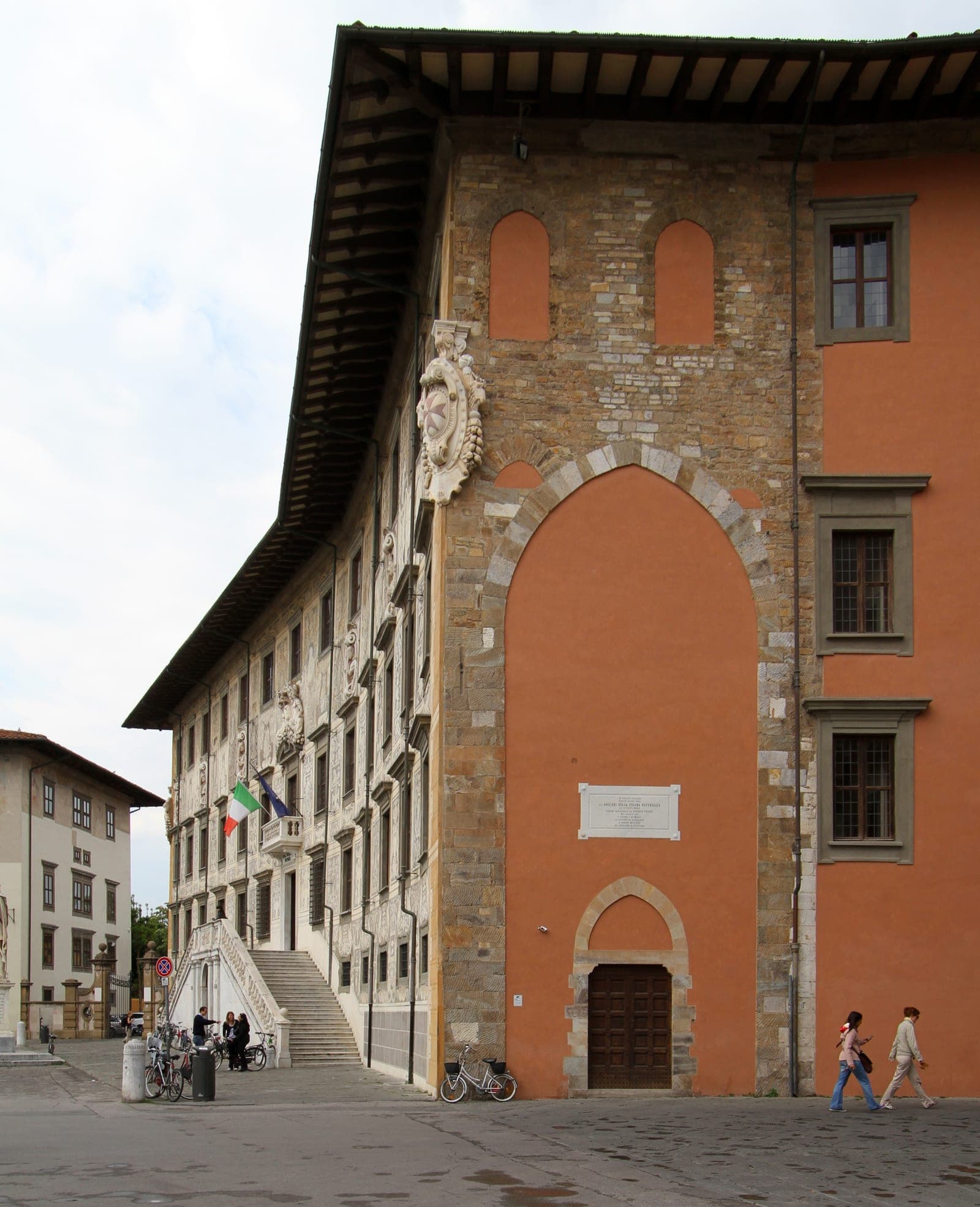
The Scuola Normale Superiore was founded by Napoleonic decree in 1810 as a branch of the École Normale Supérieure of Paris, at a time when Tuscany was part of the French Empire — it barely operated before Napoleon's fall closed it, then reopened for good in 1843 at its present seat, Palazzo della Carovana.
- UniversityDetail.cityLabel
- Pisa
- UniversityDetail.typeLabel
- UniversityCityGrid.publicUniversity
- UniversityDetail.officialSiteLabel
- UniversityDetail.visitWebsite
- UniversityDetail.admissionsLabel
- UniversityDetail.howToApply
UniversityDetail.aboutHeading
It's one of Italy's most prestigious institutions by a simple measure: it admits an extremely small cohort each year, purely on the strength of a famously difficult written-and-oral competitive exam, open to Italian and international applicants alike on equal terms — there's no separate "international students" admissions track, because everyone sits the same exam. Admitted students also enrol in a regular degree at the University of Pisa, effectively completing two courses of study at once.
It's publicly funded and charges no tuition, spans both humanities and sciences, and historically trained secondary- and university-level teachers — "normale" here refers to setting educational norms, not to being ordinary. This is a genuinely different admissions model from every other university on this site, and one worth being realistic about: it's a tiny, extremely selective cohort, not a typical broad-intake degree.
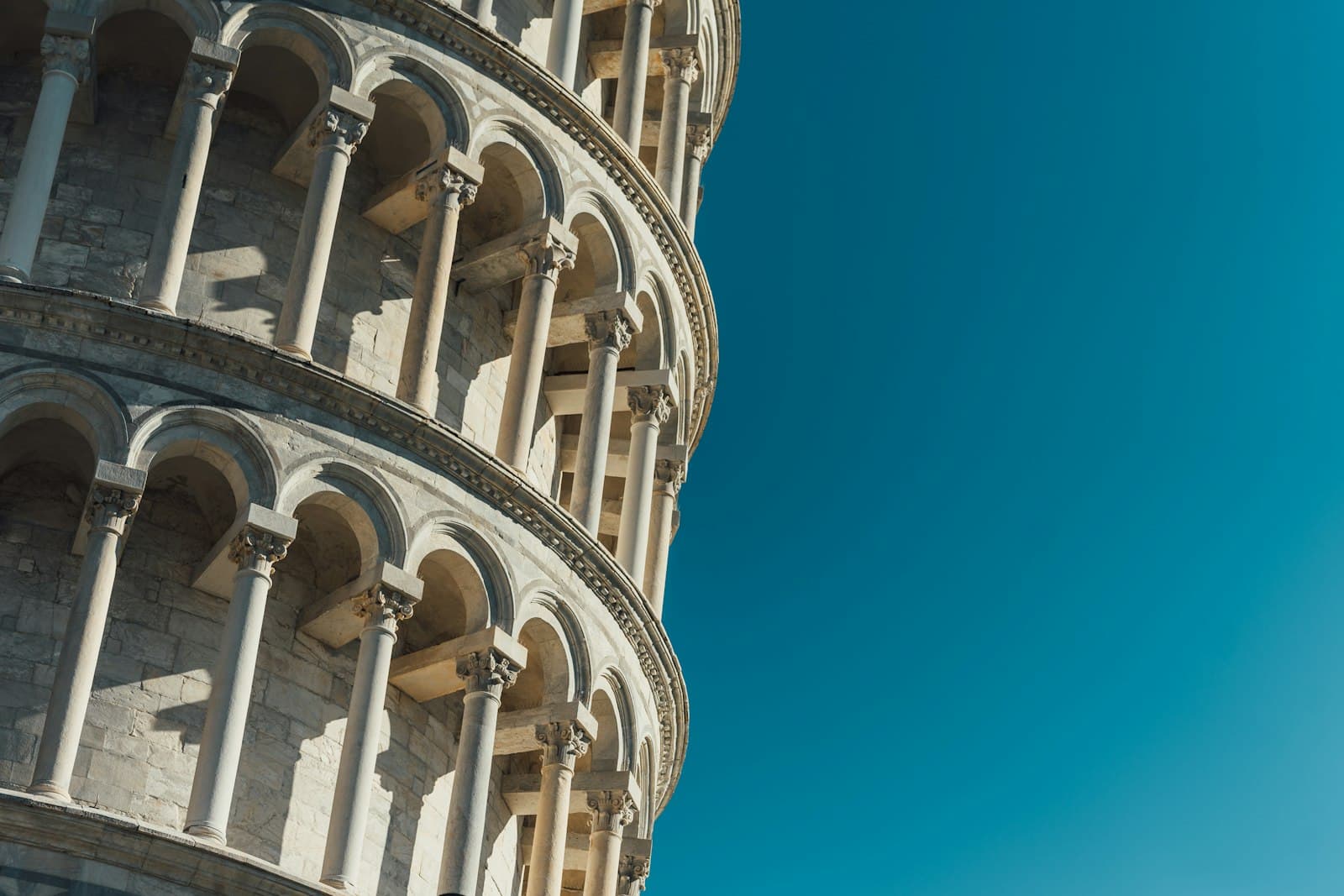
Because Normale students are also University of Pisa students, our general guidance on living and studying in Pisa — housing, arrival, settling in — applies here too, alongside the guided application process for the exam itself.
See the Pisa city guide for what living and studying in the city looks like beyond the university itself.
UniversityDetail.livingIn
UniversityDetail.rentTransport
UniversityDetail.applyingHeading
- 1
UniversityDetail.step1Title
UniversityDetail.step1Detail
- 2
UniversityDetail.step2Title
UniversityDetail.step2Detail
- 3
UniversityDetail.step3Title
UniversityDetail.step3Detail
UniversityDetail.portalNote UniversityDetail.serviceLink, UniversityDetail.orSee UniversityDetail.journeyLink.