
University of Pisa
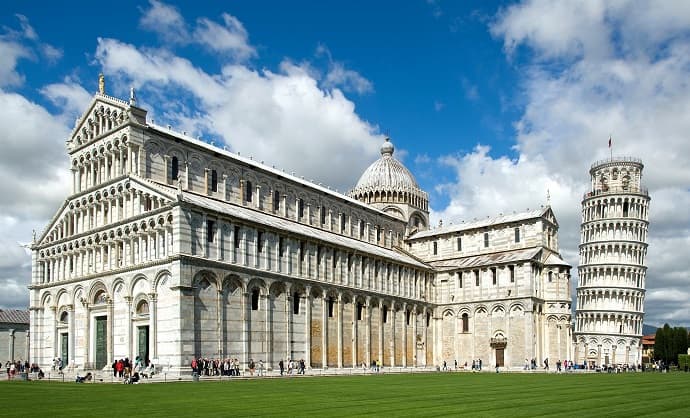
The University of Pisa was granted Studium Generale status by a papal bull from Pope Clement VI on 3 September 1343, though an informal academic community had already existed there since the mid-12th century. Galileo Galilei taught mathematics here from 1589, laying groundwork for modern experimental science, and the university counts Enrico Fermi among its alumni.
- UniversityDetail.cityLabel
- Pisa
- UniversityDetail.typeLabel
- UniversityCityGrid.publicUniversity
- UniversityDetail.officialSiteLabel
- UniversityDetail.visitWebsite
- UniversityDetail.admissionsLabel
- UniversityDetail.howToApply
UniversityDetail.aboutHeading
It's home to Europe's oldest surviving academic botanical garden, founded in 1544, and to the Calcolatrice Elettronica Pisana — one of Italy's first computers, built here in the 1960s, around the same time Pisa hosted the country's first internet connection. It's a large, comprehensive public university, and also the institution both the Scuola Normale Superiore and Sant'Anna School of Advanced Studies work alongside: their honours students complete a regular Pisa degree in parallel with their own smaller, more selective programme.
As with our shorter-form cities, our deepest, most detailed on-the-ground support currently stays in Turin and Milan — we don't yet have the same neighbourhood-by-neighbourhood rent data or a vetted-rooms network here, and we'd rather say so plainly than pad this page with figures we haven't checked.
Admission for international students generally runs through the standard route: Universitaly pre-enrolment, a Declaration of Value or CIMEA comparability statement for your prior qualification, and — depending on faculty — an entrance test or a language requirement if you're studying in Italian.
See the Pisa city guide for what living and studying in the city looks like beyond the university itself.
UniversityDetail.livingIn
UniversityDetail.rentTransport
UniversityDetail.applyingHeading
- 1
UniversityDetail.step1Title
UniversityDetail.step1Detail
- 2
UniversityDetail.step2Title
UniversityDetail.step2Detail
- 3
UniversityDetail.step3Title
UniversityDetail.step3Detail
UniversityDetail.portalNote UniversityDetail.serviceLink, UniversityDetail.orSee UniversityDetail.journeyLink.