
University for Foreigners of Siena
The University for Foreigners of Siena started in 1917 as a school teaching Italian language and culture to non-native speakers, and became a full state university in 1992 — a unique mandate nationally, since it's the only Italian public university whose core purpose is teaching Italian to foreigners rather than running a general research programme that happens to enrol international students.
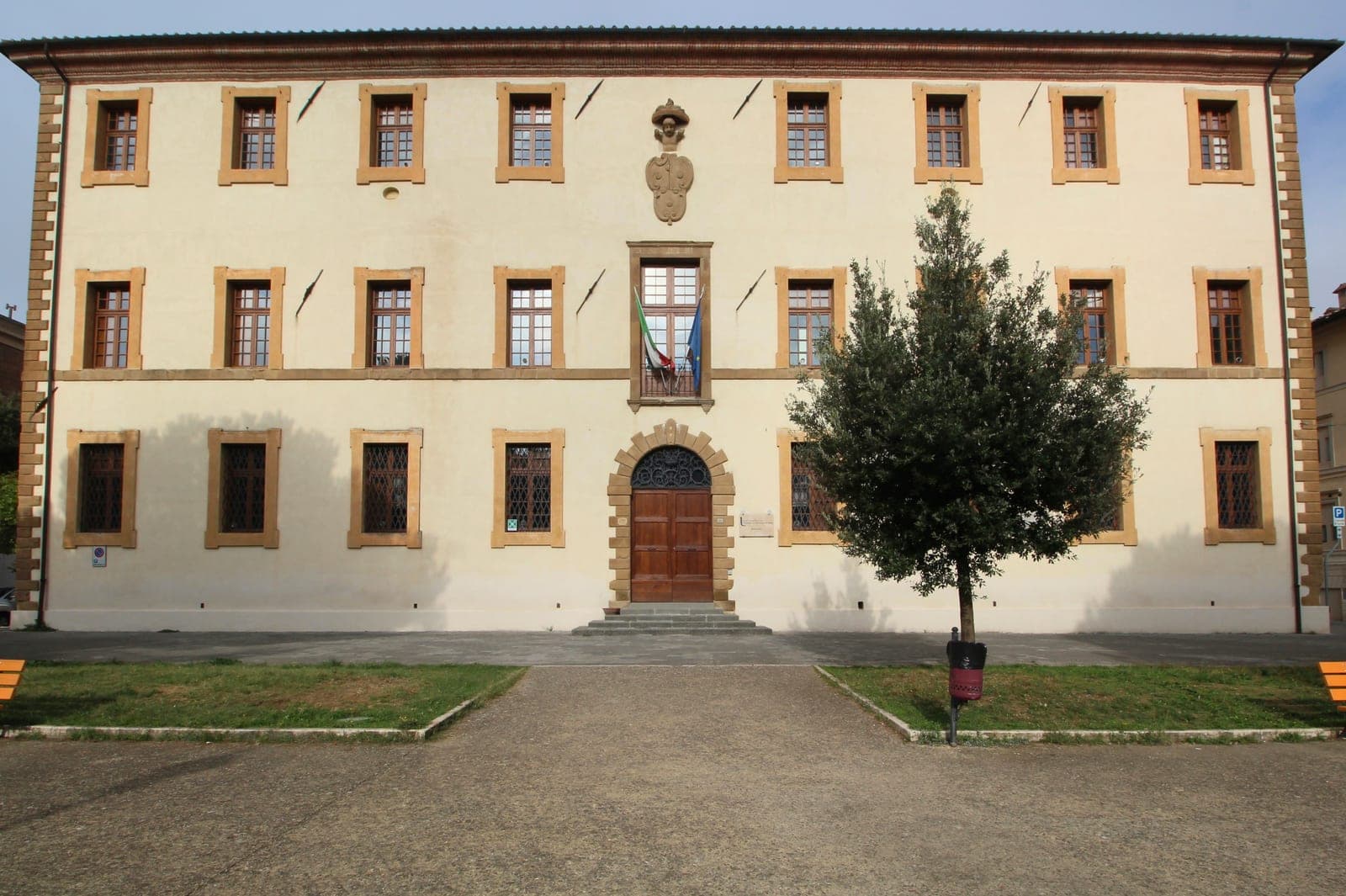
- UniversityDetail.cityLabel
- Siena
- UniversityDetail.typeLabel
- UniversityCityGrid.publicUniversity
- UniversityDetail.officialSiteLabel
- UniversityDetail.visitWebsite
- UniversityDetail.admissionsLabel
- UniversityDetail.howToApply
UniversityDetail.aboutHeading
It administers the CILS certification (Certificazione di Italiano come Lingua Straniera), one of Italy's officially recognised Italian-as-a-foreign-language exams, widely used as a language-proficiency gateway when applying to other Italian universities. Alongside Italian, it also teaches Arabic, Chinese, Japanese, Russian, and Korean, oriented toward tourism, translation, and legal or economic professions.
For a student whose priority is genuinely learning the language — not just picking up enough Italian to survive a technical degree — this is the most directly relevant public university on this site, and sits in the same small city as the comprehensive University of Siena next door.
Admission generally runs through the standard route for international students — Universitaly pre-enrolment where applicable, and the language-course or degree-programme enrolment process set out on the university's own site — alongside the guided support we provide for Italian classes more broadly.
See the Siena city guide for what living and studying in the city looks like beyond the university itself.

UniversityDetail.livingIn
UniversityDetail.rentTransport
UniversityDetail.applyingHeading
- 1
UniversityDetail.step1Title
UniversityDetail.step1Detail
- 2
UniversityDetail.step2Title
UniversityDetail.step2Detail
- 3
UniversityDetail.step3Title
UniversityDetail.step3Detail
UniversityDetail.portalNote UniversityDetail.serviceLink, UniversityDetail.orSee UniversityDetail.journeyLink.