
University of Rome Tor Vergata
Tor Vergata was established by law in 1972 as Rome's second state university, though it didn't actually open its doors to students until 1982, starting with engineering, law, medicine, sciences, and humanities. It takes its name from the "Turris Virgatae," a 14th-century farmhouse that once stood on the site.
- UniversityDetail.cityLabel
- Rome
- UniversityDetail.typeLabel
- UniversityCityGrid.publicUniversity
- UniversityDetail.officialSiteLabel
- UniversityDetail.visitWebsite
- UniversityDetail.admissionsLabel
- UniversityDetail.howToApply
UniversityDetail.aboutHeading
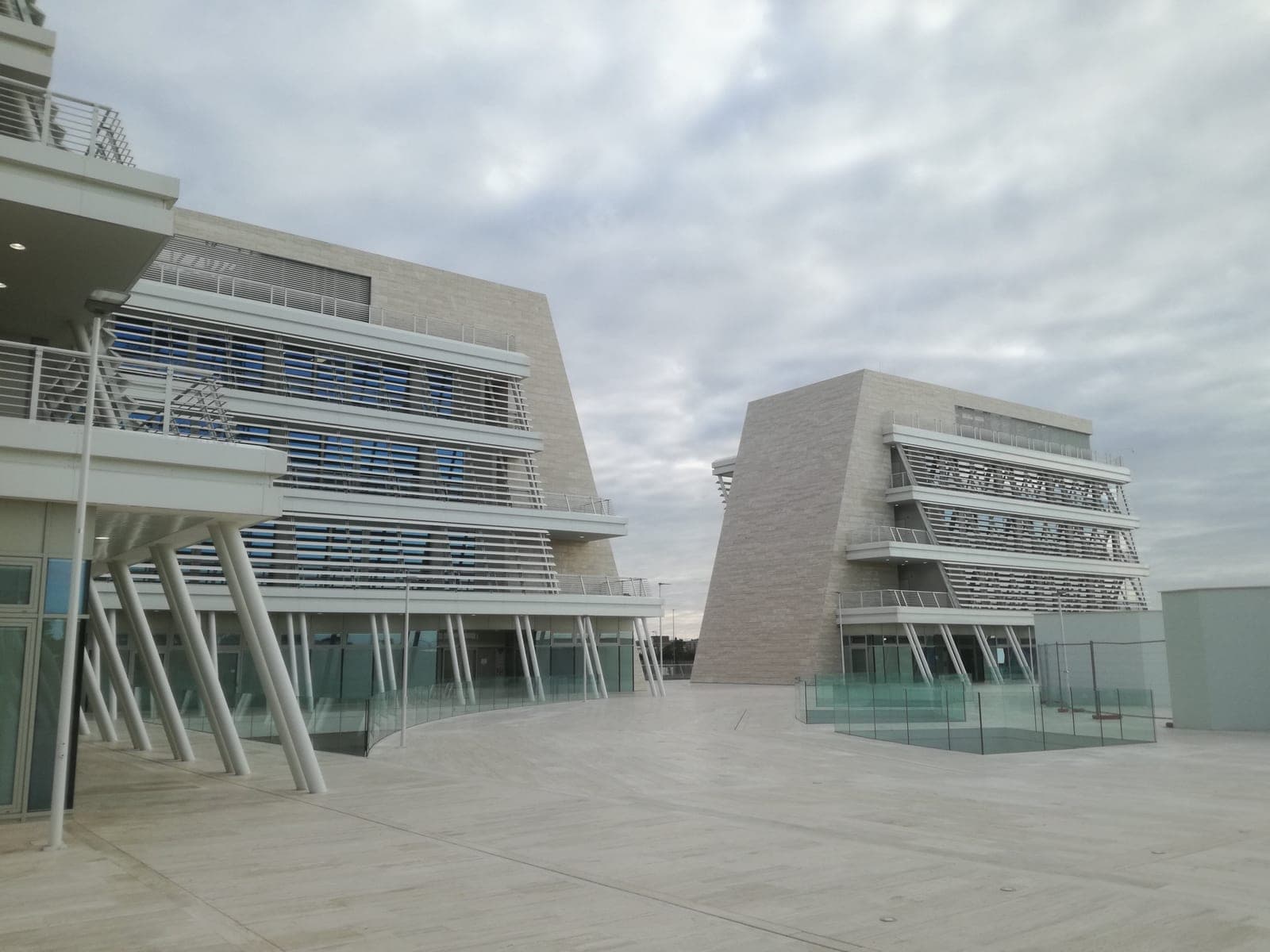
What sets it apart from Sapienza and Roma Tre is its shape: Tor Vergata is one of the few genuinely campus-based Italian universities, deliberately modelled on Anglophone campuses, spread across roughly 600 hectares in southeast Rome rather than scattered through the historic centre. That same campus hosts the Italian Space Agency's headquarters and Tor Vergata's own university hospital.
It now runs six faculties — economics (added in 1987), law, engineering, humanities and philosophy, medicine and surgery, and mathematics/physics/natural sciences — a comprehensive range, but on a single self-contained campus rather than across the city.
Admission for international students generally runs through the standard route: Universitaly pre-enrolment, a Declaration of Value or CIMEA comparability statement for your prior qualification, and — depending on faculty — an entrance test or a language requirement if you're studying in Italian, submitted through the university's own online application platform.
Our on-the-ground support in Rome is genuinely less deep than in Turin or Milan today — see the Rome city guide for an honest read on what that means in practice, alongside the full guided application process, which works the same everywhere.

UniversityDetail.livingIn
UniversityDetail.rentTransport
UniversityDetail.applyingHeading
- 1
UniversityDetail.step1Title
UniversityDetail.step1Detail
- 2
UniversityDetail.step2Title
UniversityDetail.step2Detail
- 3
UniversityDetail.step3Title
UniversityDetail.step3Detail
UniversityDetail.portalNote UniversityDetail.serviceLink, UniversityDetail.orSee UniversityDetail.journeyLink.